Tina Schulz · 27 September 2026
Mediterranean Olive Orchards Gain Recognition for Carbon Capture Potential in Climate Plans
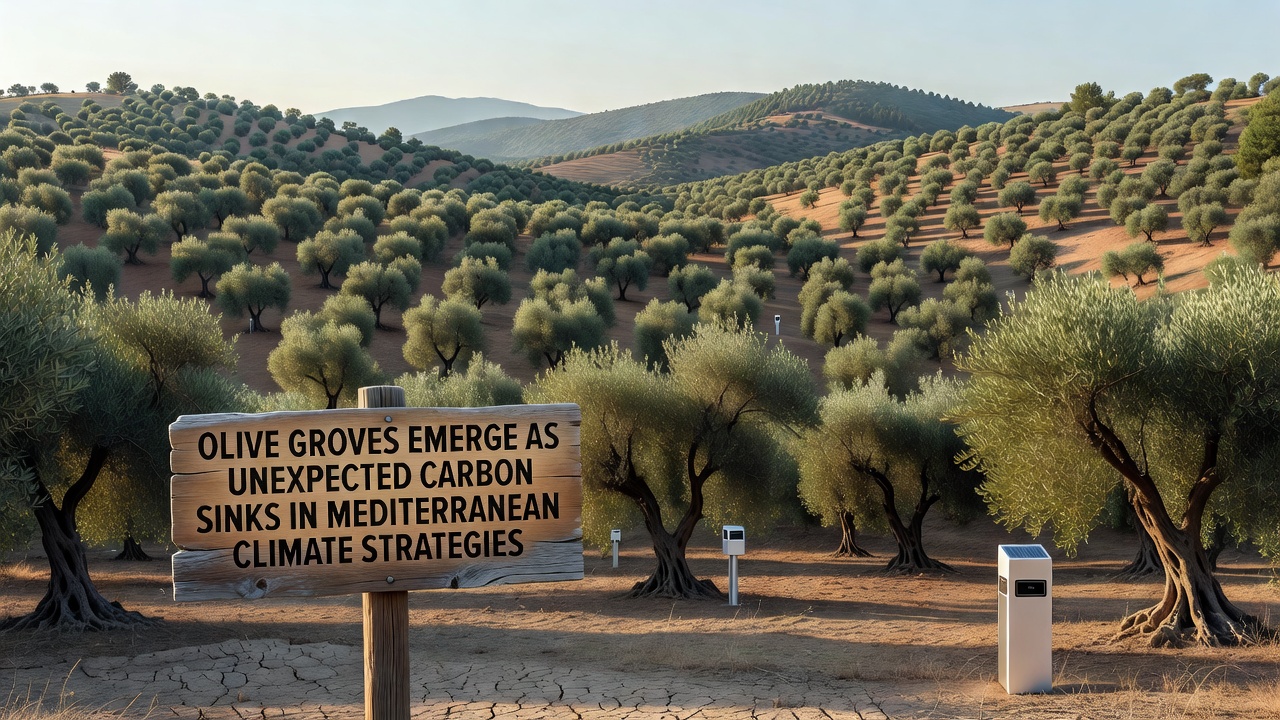
Olive cultivation across southern Europe and North Africa has drawn fresh attention from climate researchers because these long-lived trees store substantial amounts of carbon in both woody biomass and surrounding soils. Data collected over the past decade show that mature olive groves can sequester between 2.5 and 4.5 tons of carbon dioxide per hectare annually when managed with minimal tillage and cover crops, according to field measurements compiled by the European Environment Agency.
Traditional planting densities combined with pruning cycles that leave biomass on site further enhance storage capacity while maintaining productivity levels that support regional economies. Soil organic carbon levels under olive canopies often exceed those found in adjacent cereal fields by 15 to 25 percent, a difference researchers attribute to year-round root activity and leaf litter accumulation.
Measurement Approaches and Recent Findings
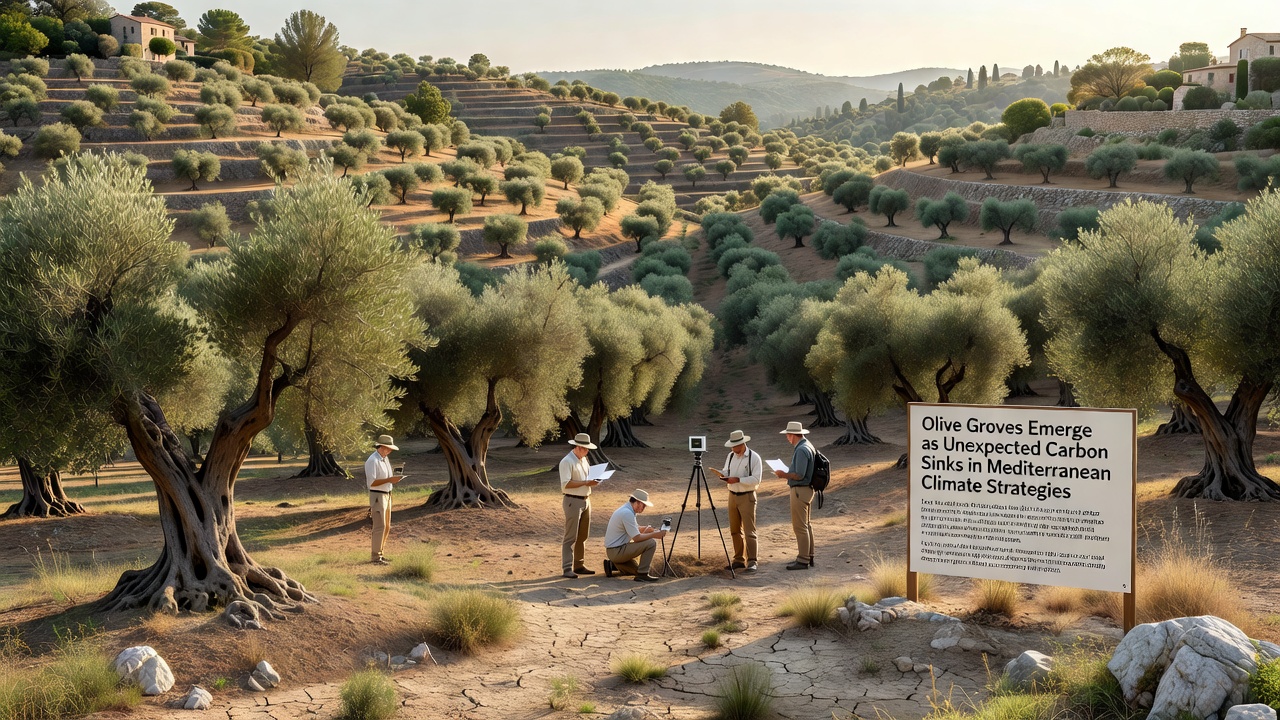
Scientists tracking carbon fluxes use a combination of eddy covariance towers, soil core sampling, and allometric equations developed specifically for Olea europaea. One multi-year project coordinated across Spain, Italy, and Greece reported that groves older than 40 years accumulated woody biomass at rates equivalent to 1.8 tons of carbon per hectare each year, while younger orchards showed slightly lower but still positive net sequestration when irrigation remained efficient.
Figures released in September 2026 by an international consortium including the Mediterranean Agronomic Institute confirmed that converting marginal farmland to olive production could add another 0.8 to 1.2 tons of soil carbon per hectare over a 20-year period provided ground cover vegetation stays intact. These numbers position olive systems ahead of several other perennial crops grown in similar semi-arid zones.
Integration into National and Regional Strategies
Policy documents from multiple Mediterranean governments now list olive grove maintenance among recommended practices for meeting 2030 and 2050 emission targets. The approach aligns with existing agricultural subsidies that reward reduced tillage and biodiversity corridors, creating overlap between economic support and climate objectives without requiring entirely new funding streams.
Italian regional authorities have incorporated grove carbon accounting into their rural development programs, allowing farmers to report sequestration volumes alongside yield data. Similar frameworks appear in Andalusian climate action plans where olive landscapes dominate the terrain. Australian researchers studying comparable dryland systems have begun comparing their own olive trials with Mediterranean benchmarks to refine local guidelines.
Management Practices That Maximize Storage
Key techniques include maintaining permanent cover crops between tree rows, returning pruned wood as chipped mulch rather than burning it, and limiting mechanical soil disturbance to narrow strips along drip lines. These steps preserve existing carbon pools while supporting continued fruit production that remains central to local livelihoods.
Studies conducted by the University of California Davis on olive plantings in comparable climates found that cover crop mixtures containing legumes increased soil carbon gains by roughly 30 percent compared with bare-soil controls. The same trials noted improved water infiltration that reduces erosion risk during intense autumn rains common across the basin.
Challenges and Monitoring Needs
Despite favorable averages, carbon benefits vary with cultivar, tree age, irrigation regime, and pest pressure. Some older groves show declining sequestration rates after 80 years unless renewal pruning or interplanting occurs. Extended drought periods linked to changing rainfall patterns can also reduce photosynthetic rates and therefore biomass accumulation.
Standardized monitoring protocols remain under development, and verification costs currently limit participation by smaller holdings. Remote sensing tools paired with periodic ground sampling offer one pathway to scale assessments without prohibitive expense, yet calibration across diverse soil types continues.
Conclusion
Olive groves already present across millions of Mediterranean hectares represent a measurable asset within broader carbon management portfolios. Ongoing data collection and refined management recommendations will determine how fully these orchards contribute to regional emission reduction commitments while sustaining the agricultural systems that have shaped the landscape for centuries.