Tina Schulz · 11 October 2026
Mediterranean Beekeepers Partner with Growers to Boost Pollination in Heritage Grove Clusters
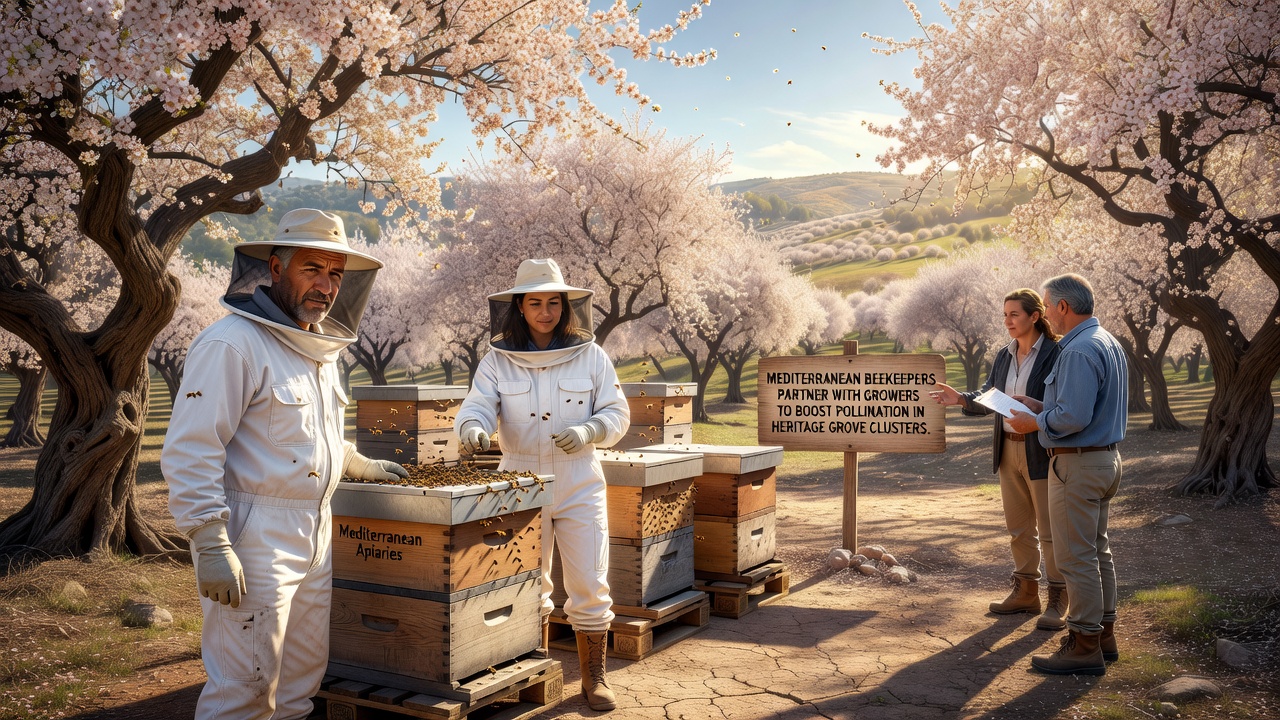
Beekeepers across Mediterranean regions have formed direct partnerships with olive growers to place hives strategically within heritage grove clusters, and these collaborations focus on enhancing pollination rates for ancient olive varieties that often struggle with natural pollinator access. Data from agricultural monitoring programs shows increased fruit set in groves where managed hives supplement wild bee populations, particularly in areas where habitat fragmentation has reduced native pollinator numbers over recent decades.
Partnership Models Taking Shape
Growers in southern Spain and central Italy coordinate with local beekeepers to time hive introductions with olive flowering periods, which typically peak in late spring, and these arrangements include shared monitoring of hive health alongside grove conditions to ensure both parties benefit from sustained productivity. Researchers at institutions like the University of Thessaloniki have documented how such coordinated efforts lead to measurable improvements in pollen transfer efficiency, with one study tracking a 15 to 20 percent rise in olive fruit development across participating sites compared to control groves without supplemental hives.
And the approach extends beyond simple hive placement, since beekeepers often select specific bee strains known for their foraging range and resilience to regional climate patterns, while growers adjust irrigation and pruning schedules to support the floral diversity that keeps pollinators active throughout the season. In heritage clusters, where trees can exceed several centuries in age, these adjustments help maintain genetic continuity by boosting seed production for future propagation programs.
Regional Data and October 2026 Developments
Figures released by the European Commission's agriculture directorate in October 2026 indicate that collaborative pollination projects now cover more than 8,000 hectares of protected olive groves across Greece, Croatia, and Tunisia, with participating beekeepers reporting stable honey yields alongside the primary olive harvest benefits. Government tracking in these areas reveals reduced reliance on chemical inputs in partnered groves, as healthier pollination supports natural pest resistance mechanisms within the olive trees themselves.
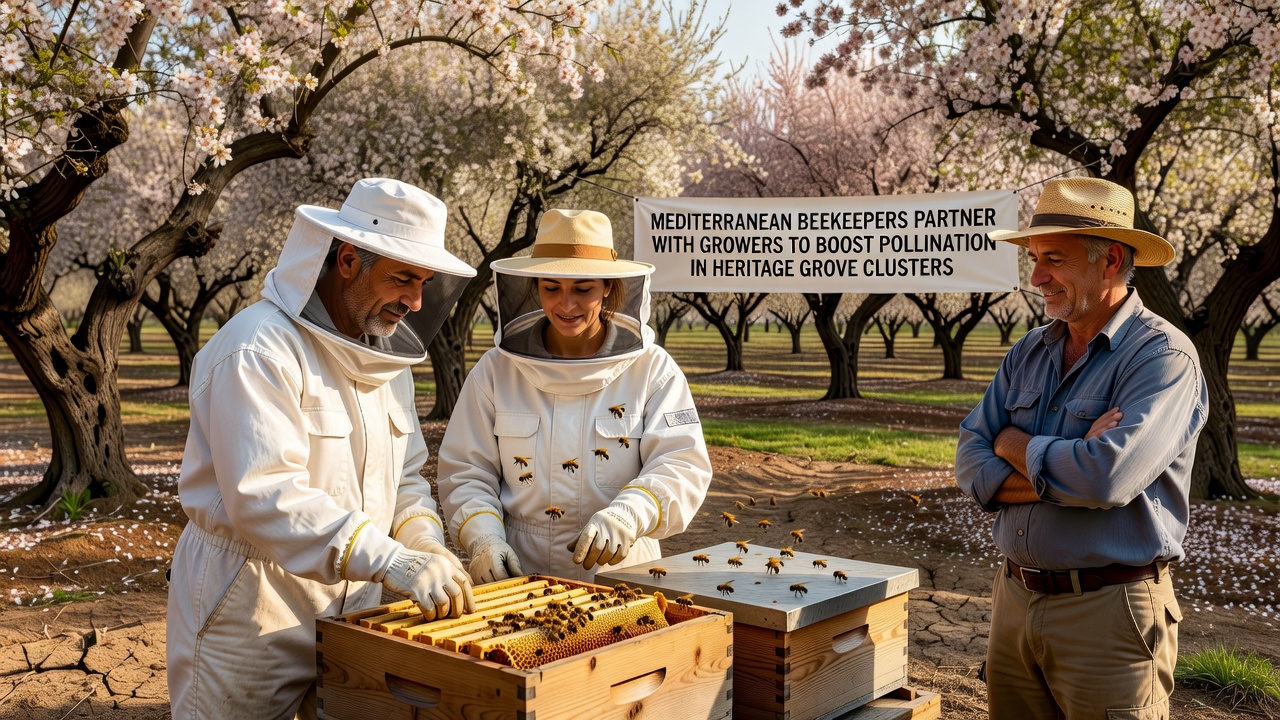
What's notable is how these programs integrate with broader biodiversity initiatives, since the presence of managed hives encourages the preservation of understory plants and hedgerows that provide year-round forage, and observers note that such habitat enhancements also support other insect species critical to soil health in ancient grove systems. One program in Andalusia linked hive placement directly to a 12 percent increase in associated wildflower coverage over three growing seasons, according to field surveys conducted by regional agricultural agencies.
Challenges Addressed Through Collaboration
Climate variability presents ongoing hurdles, yet partnerships allow for rapid adjustments such as relocating hives during extreme heat events or supplementing with water sources near grove edges, and data compiled by the Food and Agriculture Organization demonstrates that these responsive strategies have helped maintain pollination consistency even as temperature fluctuations affect flowering windows. Beekeepers gain access to protected land for hive stations, which reduces exposure to urban development pressures, while growers receive documented improvements in crop uniformity that support export quality standards.
Training sessions run jointly by agricultural extension services and beekeeping associations equip participants with techniques for monitoring colony strength and recognizing early signs of stress in both bees and trees, and these knowledge-sharing efforts have expanded to include digital mapping tools that track hive performance across multiple heritage sites simultaneously. In October 2026 reports, several networks highlighted how such tools helped identify optimal microclimates within clusters for future hive expansions.
Long-Term Outcomes for Heritage Preservation
Evidence from ongoing trials suggests that enhanced pollination contributes to stronger root systems and greater drought tolerance in older olive specimens, which aligns with conservation goals for these culturally significant landscapes. Partnerships also facilitate the collection of genetic material from successfully pollinated trees, supporting breeding programs aimed at preserving varietal diversity without introducing non-native stock.
Industry reports from Mediterranean trade groups further indicate that groves involved in these beekeeper-grower agreements show lower incidence of alternate bearing cycles, where trees produce heavy crops one year followed by sparse yields the next, and this stabilization helps maintain steady economic returns for small-scale operators who rely on heritage groves for both commercial output and tourism-related activities.
Conclusion
Continued expansion of these partnerships depends on sustained coordination between agricultural authorities, research bodies, and local communities, with October 2026 updates pointing to new pilot projects that incorporate climate modeling to predict optimal hive placement zones years in advance. The documented gains in pollination efficiency and grove resilience provide a practical framework that other regions managing traditional olive landscapes can adapt, ensuring heritage clusters remain productive while supporting pollinator populations essential to the broader ecosystem.