Jordan Schwarz · 25 October 2026
Heritage Olive Varieties Reach Specialty Buyers via Cooperative Digital Networks
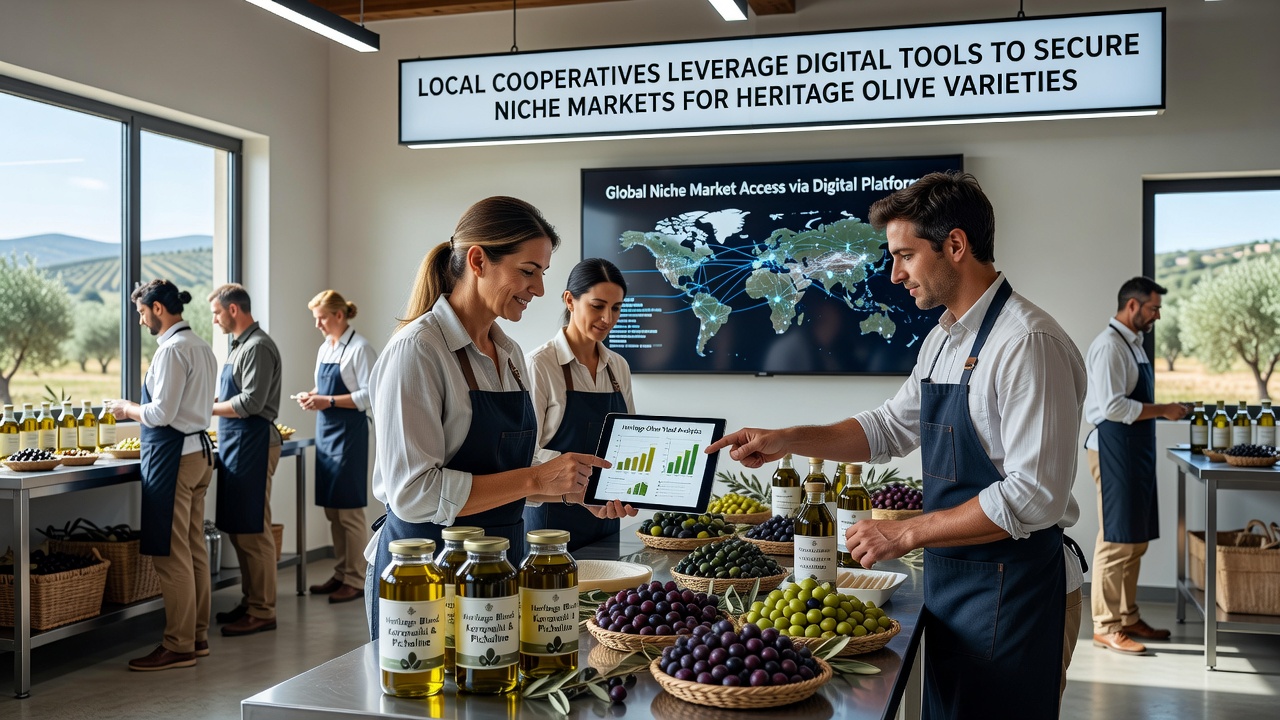
Cooperatives across Mediterranean regions have turned to e-commerce platforms, traceability apps, and targeted social campaigns to connect heritage olive varieties with niche consumers who value rarity and origin stories. These groups manage small groves of cultivars such as the Italian Coratina or Greek Koroneiki that face competition from high-volume commercial oils, and they use digital channels to highlight distinct flavor profiles and limited production volumes.
Platform Adoption and Traceability Systems
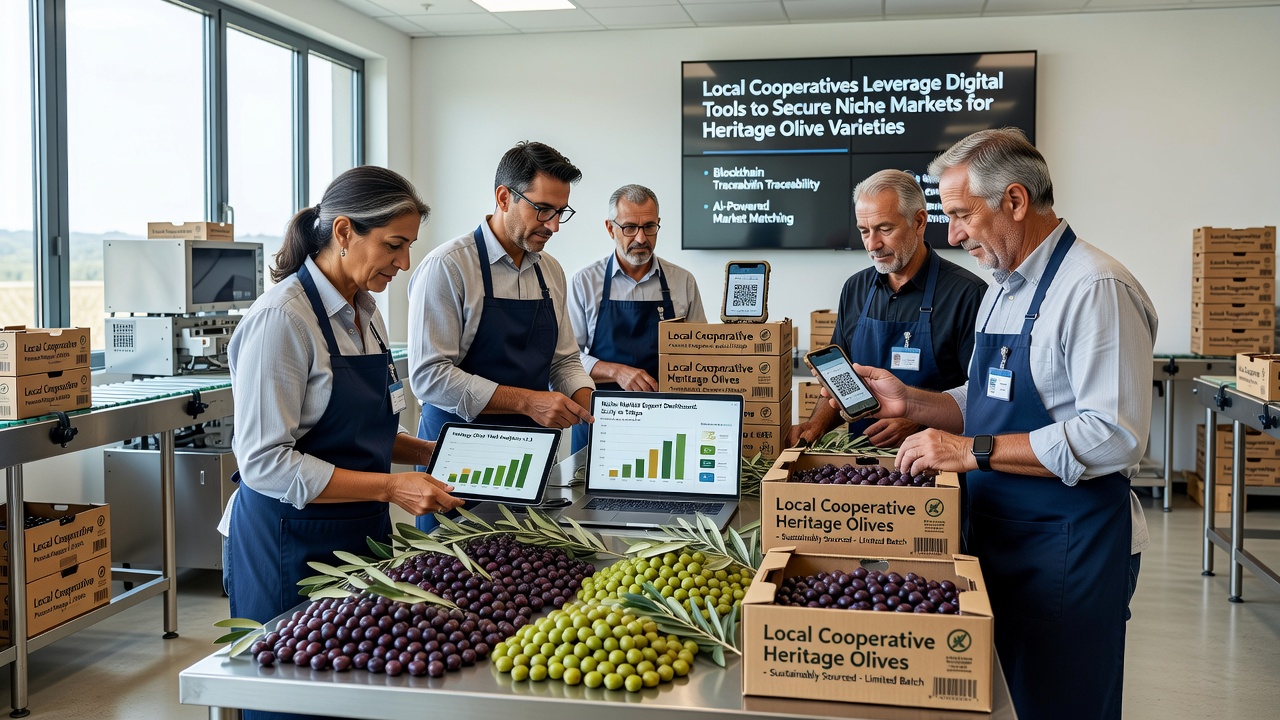
Many cooperatives now integrate blockchain-based tracking tools that record each batch from harvest through bottling, allowing buyers to scan QR codes for details on grove location, harvest dates in October 2026, and soil conditions. Data from regional agriculture networks shows that such systems increase buyer confidence in authenticity, with sales of verified heritage oils rising 18 percent in the past two seasons. Cooperatives in southern Spain and central Italy report that mobile apps streamline order management and reduce distribution costs by linking directly with specialty retailers in urban centers.
Researchers at European agricultural institutes note that these tools help smaller producers meet strict labeling requirements without investing in large-scale infrastructure. One cooperative in Andalusia implemented a cloud inventory system last year that synchronized harvest forecasts with online storefronts, cutting unsold stock by nearly a quarter while maintaining premium pricing for limited releases.
Market Segmentation and Direct Sales Growth
Digital marketing allows cooperatives to target chefs, health-focused consumers, and collectors who seek oils from specific heritage trees rather than bulk commodities. Platforms such as regional farm-to-table marketplaces and subscription services deliver small-batch products to audiences in North America and northern Europe, where demand for protected designation of origin items continues to climb. Figures from trade associations indicate that direct-to-consumer channels now account for 32 percent of heritage olive revenue for participating groups, up from 14 percent five years earlier.
Observers note that social media campaigns featuring short videos of hand-harvesting and traditional pressing methods generate engagement that translates into pre-orders ahead of the fall season. In October 2026 several cooperatives launched limited-edition releases timed with harvest festivals, using email lists and influencer partnerships to reach audiences outside traditional export routes. Those who studied similar programs found that consistent online storytelling correlates with repeat purchases among buyers who prioritize biodiversity preservation alongside taste.
Challenges and Technical Integration
While digital tools expand reach, cooperatives still navigate connectivity gaps in rural areas and the need for staff training on data security. Partnerships with technology providers have supplied subsidized software that integrates weather monitoring with sales dashboards, helping groups adjust offerings based on real-time yield data. Reports from Mediterranean agricultural bodies confirm that combined use of satellite imagery and online ordering systems improves harvest planning accuracy, reducing waste during peak periods.
Training workshops organized by industry networks teach members how to optimize product listings for search engines and comply with international shipping regulations. These sessions emphasize practical steps such as photographing grove landmarks for marketing assets and maintaining accurate stock levels across multiple platforms.
Regional Examples and Data Trends
Take one cooperative in Crete that adopted a custom app linking grove sensors to a customer portal; within eighteen months it secured contracts with three boutique importers who now feature its oils in seasonal tasting boxes. Similar patterns appear in Portugal where groups use analytics from e-commerce sites to identify emerging markets in Asia, adjusting packaging and pricing accordingly. Data compiled by university research teams shows average revenue growth of 22 percent for cooperatives that maintain active digital profiles compared with those relying solely on wholesale distributors.
External verification programs run by international food standards organizations add another layer of credibility that online buyers seek, and cooperatives often highlight these certifications in product descriptions. This approach supports sustained interest in varieties that might otherwise disappear due to lower commercial yields.
Conclusion
Local cooperatives continue to refine digital strategies that position heritage olive varieties in specialty segments, supported by measurable gains in direct sales and traceability. Ongoing adoption of integrated platforms, combined with seasonal timing around events such as the October 2026 harvest, sustains these efforts across multiple regions. Trade data and case records document steady expansion without reliance on broad commodity pricing, keeping focus on the unique attributes of each cultivar.