Uma Vogel · 13 September 2026
DNA Analysis of Ancient Olive Varieties Directs Preservation Plans Across European Valleys
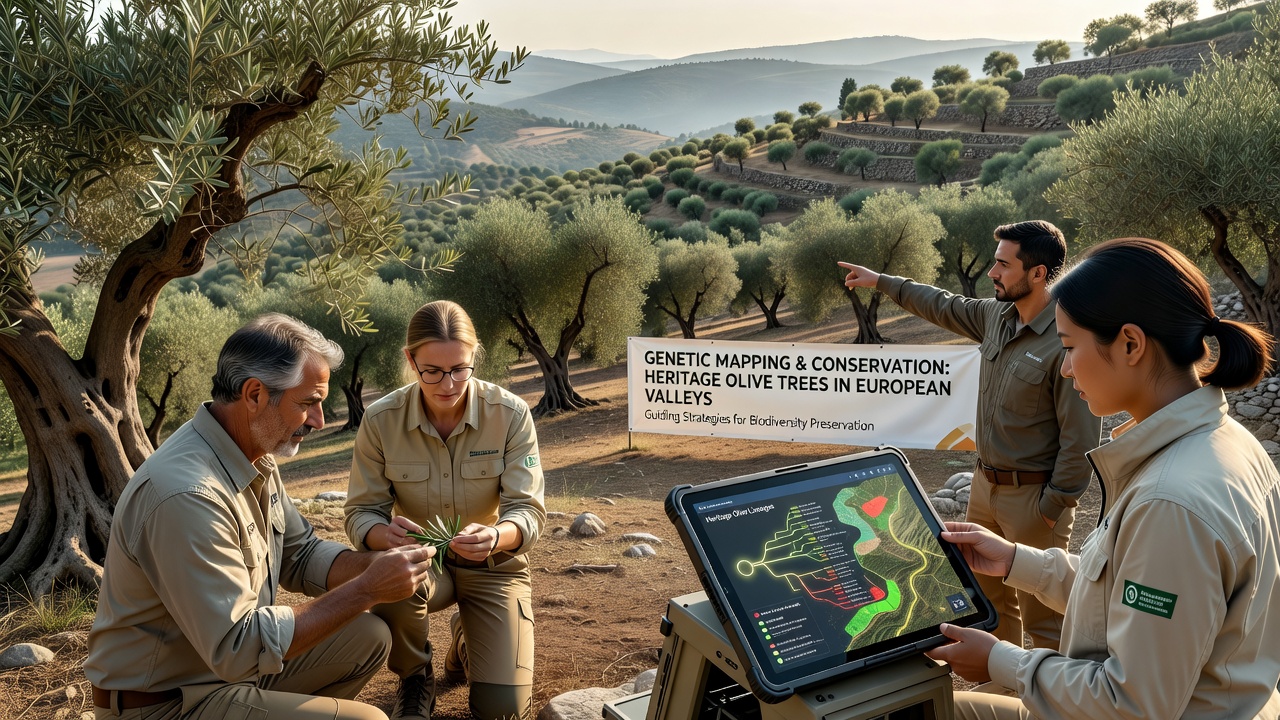
Genetic mapping projects now track the unique DNA profiles of heritage olive trees that have grown for centuries in valleys from Spain to Greece, and these datasets are shaping targeted conservation actions that protect both biodiversity and future productivity. Researchers collect leaf samples from trees in regions such as the Guadalquivir valley in Andalusia and the Arno valley in Tuscany, then sequence markers that reveal ancestry, disease resistance, and drought tolerance traits passed down through generations.
Mapping Techniques Reveal Hidden Diversity
Scientists at institutions including the University of Córdoba and the Consiglio Nazionale delle Ricerche apply single nucleotide polymorphism arrays and whole-genome sequencing to distinguish between closely related cultivars that look similar in the field, yet data shows that some varieties carry alleles linked to higher oil content while others hold resistance genes against verticillium wilt. The process begins with GPS-tagged trees selected for age and location, followed by DNA extraction in mobile labs that operate during harvest windows, and results feed into regional databases updated each season.
Valley-Specific Findings Drive Local Actions
In the Messara valley of Crete, mapping completed in early 2025 identified a cluster of trees carrying a rare chloroplast haplotype associated with salt tolerance, and local cooperatives now propagate cuttings from those individuals to replant areas affected by rising groundwater salinity. Similar work in Portugal's Alentejo region uncovered three previously undocumented genotypes that show elevated oleuropein levels, prompting nursery partnerships to include these lines in certified plant material lists distributed to growers. Observers note that these selections occur without replacing traditional landscape features, because the genetic data allows precise matching of rootstock to soil conditions rather than broad replanting.
Funding from the European Union's Horizon program supports cross-border data sharing, while national agricultural ministries supply field crews that verify tree health records against the molecular results. By September 2026 a new tranche of sequencing data from additional sites in the Rhône valley is scheduled for release, and project leads expect the expanded dataset to refine models predicting which genotypes will maintain yields under projected temperature increases.
Conservation Strategies Informed by Genetic Data
Once genotypes are catalogued, authorities adjust in-situ protection zones around clusters that represent distinct lineages, and ex-situ collections at germplasm banks receive prioritized accessions based on phylogenetic distance rather than simple geographic origin. In the case of one Spanish valley where mapping showed 40 percent of sampled trees belonged to a single clonal group, managers introduced controlled cross-pollination plots using pollen from genetically distant individuals to increase heterozygosity and reduce vulnerability to pests. These steps integrate with existing irrigation and pruning schedules, so the genetic insights add another layer of decision support without requiring wholesale changes to established practices.
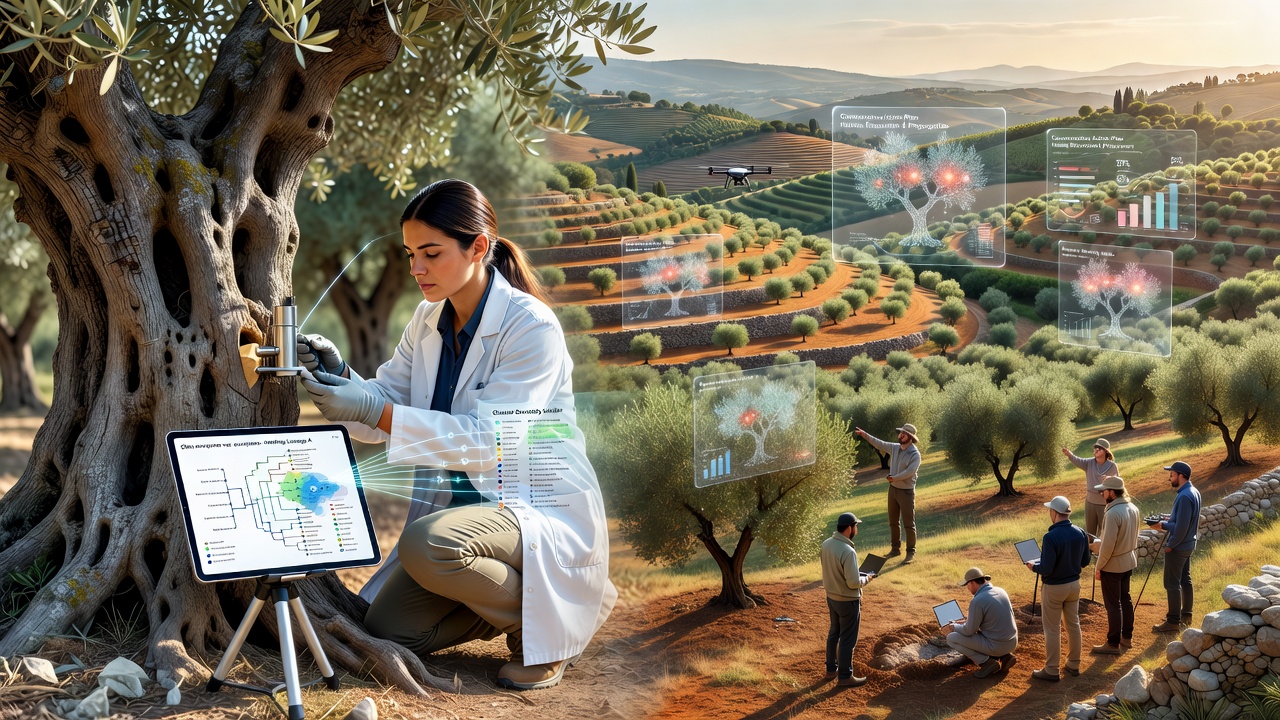
Additional applications appear in disease management plans, where maps of resistance markers help forecast outbreak risks and guide selective thinning that favors resilient individuals. Figures from the International Olive Council indicate that coordinated use of genetic information across member states has already contributed to a measurable decline in the spread of certain fungal pathogens in monitored valleys, although long-term verification continues through annual surveys.
Integration with Broader Agricultural Policies
Policy documents from the European Commission now reference genetic mapping outputs when allocating rural development funds, and several regional governments tie subsidy eligibility for replanting to the use of locally mapped genotypes rather than commercial varieties from outside the area. This approach maintains the cultural and ecological continuity of valley landscapes while meeting production targets, and it aligns with biodiversity targets set under the EU Green Deal. Training programs for agronomists include modules on interpreting sequence data, so field advisors can translate laboratory findings into practical recommendations for individual groves.
Researchers continue to refine reference genomes for the species, and collaborations with sequencing centers in Australia and Canada introduce new analytical tools that speed up variant calling without increasing costs. The resulting knowledge base supports both conservation of living heritage trees and development of improved planting material that carries forward traits valued by earlier generations of growers.
Conclusion
Genetic mapping supplies concrete evidence that directs where conservation resources go and which trees receive priority protection in European valleys. As more sequences enter public repositories and field teams apply the findings during routine management, the link between molecular data and landscape-level decisions grows stronger, offering a measurable pathway to sustain olive heritage through changing environmental conditions.