Uma Vogel · 8 November 2026
Centuries-Old Olive Ecosystems Draw Wellness Tourists as Polyphenol Research Shapes New Export Strategies
Centuries-old olive ecosystems across southern Europe and North Africa continue to draw wellness tourists who combine visits to heritage groves with experiences centered on olive-derived health products, while polyphenol research simultaneously guides producers toward premium export markets focused on functional foods and supplements. These ancient landscapes, some dating back over a thousand years, provide settings where visitors engage in olive oil tastings, forest bathing, and educational sessions on antioxidant compounds that recent studies have quantified in detail.
Heritage Groves Become Wellness Destinations
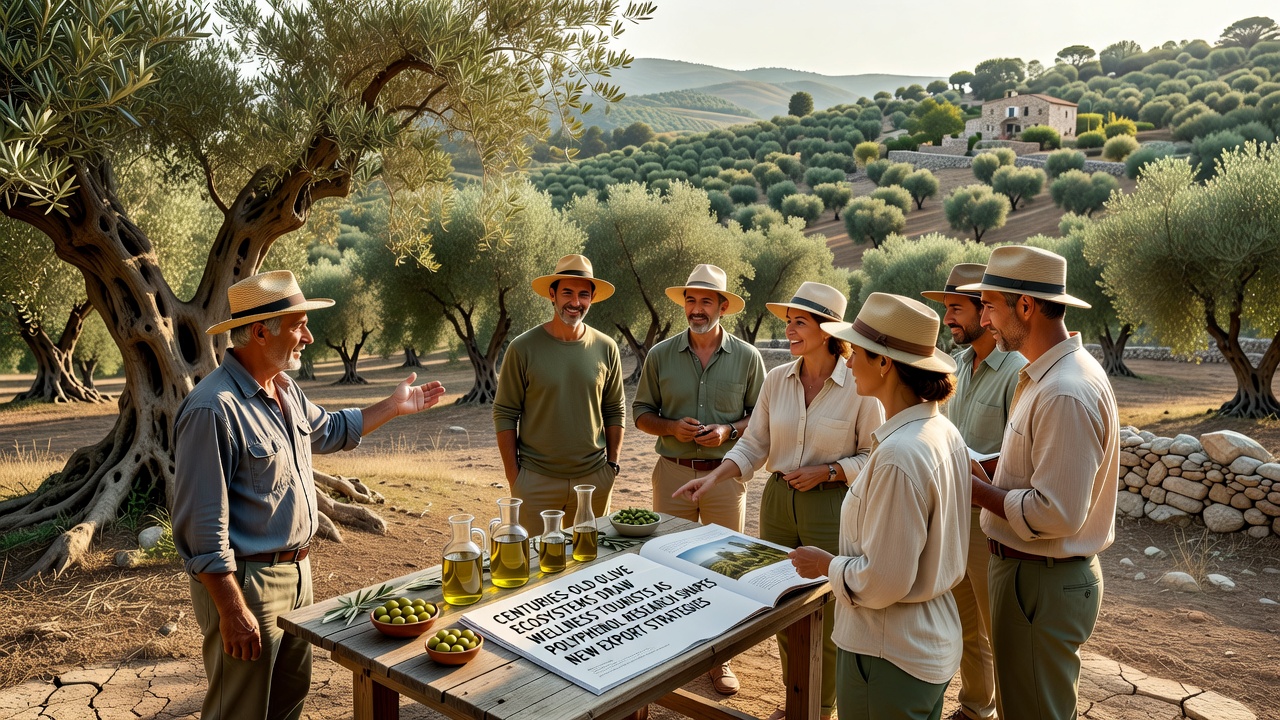
Regions in Tuscany, Andalusia, and Crete have documented rising numbers of international visitors who select olive grove tours as part of wellness itineraries, and data collected through 2025 shows these travelers often extend stays to participate in cooking workshops that emphasize extra virgin olive oil rich in hydroxytyrosol and oleuropein. Local cooperatives have responded by developing packages that pair accommodation in restored farmhouses with guided walks among trees whose root systems support biodiversity corridors, while November 2026 tourism reports from regional authorities note continued growth in bookings tied to health-focused travel trends.
Researchers tracking visitor motivations found that many seek direct contact with environments where olive cultivation has persisted since Roman times, and this interest aligns with broader patterns in which wellness tourists prioritize locations offering measurable health benefits rather than purely recreational activities. One program in Puglia, for instance, integrates polyphenol content testing demonstrations that allow participants to compare oil samples from different cultivars, and attendance figures indicate strong demand for such interactive elements.
Polyphenol Research Drives Product Development
Scientific investigations into olive polyphenols have expanded significantly over the past decade, with laboratories in Italy and Spain publishing findings on how specific compounds contribute to cardiovascular and anti-inflammatory effects in human trials. These studies have prompted producers to adjust cultivation and harvesting methods to preserve higher polyphenol levels, and the resulting oils now command higher prices in export channels that target nutraceutical manufacturers and health-oriented retailers in North America and Asia.
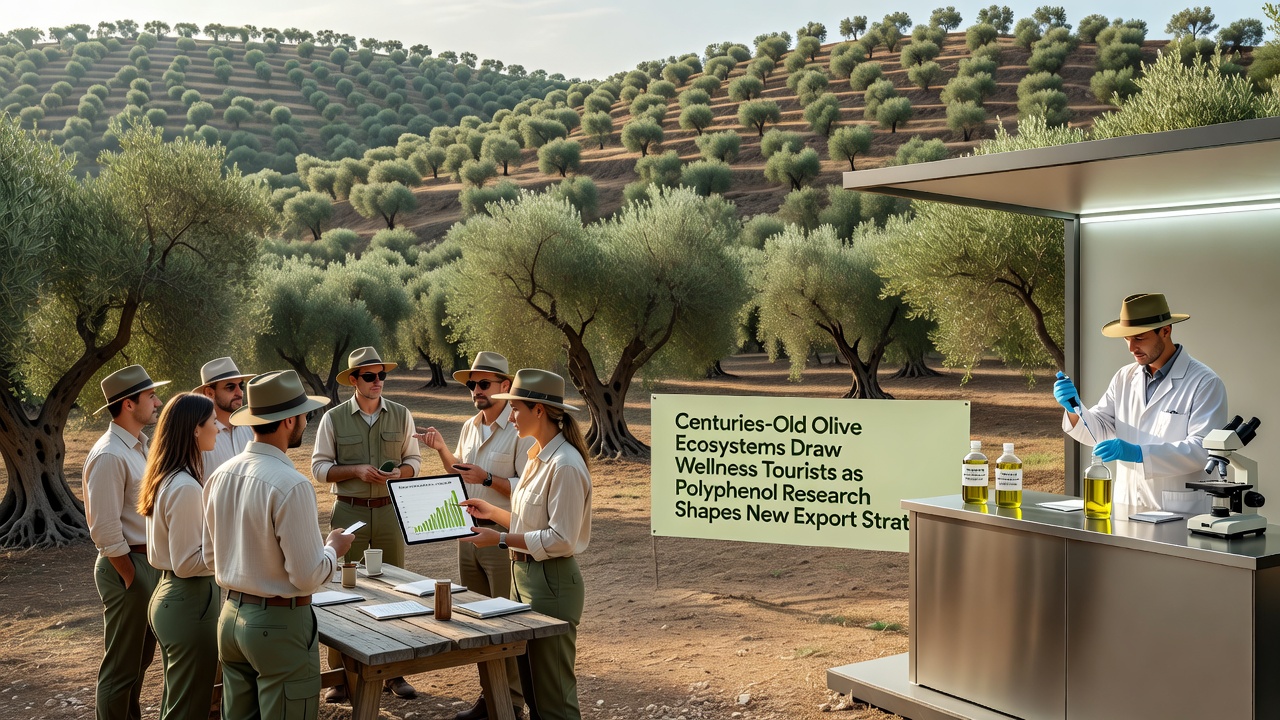
Export strategies have shifted accordingly as companies analyze market data showing increased demand for oils certified for polyphenol concentration above 350 milligrams per kilogram, and this certification process draws on protocols developed through collaborative projects involving universities in multiple Mediterranean countries. The European Commission agricultural reports detail how such standards have facilitated new trade agreements that position olive products as ingredients in functional beverages and capsules rather than solely as culinary staples.
Export Markets Expand Through Research-Backed Claims
Producers in Greece and Tunisia have formed partnerships with research institutions to validate health claims for specific olive varieties, and these alliances have opened distribution routes into markets where regulatory bodies require clinical evidence before approving labeling statements. Figures from trade databases reveal a measurable uptick in shipments of polyphenol-enriched products to Australia and Canada, where consumer interest in evidence-based wellness items continues to rise. Observers note that smaller estates benefit when they pool resources through digital platforms that connect them directly with buyers seeking documented antioxidant profiles.
Training programs launched in 2025 now teach growers how to monitor polyphenol development during fruit maturation using portable spectrometers, and early adopters report improved consistency that supports premium pricing. This technical approach complements tourism initiatives because visitors often purchase the same tested oils they encounter during grove experiences, creating a direct link between on-site education and subsequent export sales.
Integrated Strategies Link Tourism and Trade
Combined efforts between tourism boards and agricultural exporters have produced joint campaigns that highlight both the cultural heritage of olive ecosystems and the scientific backing for their health attributes, and these initiatives have generated measurable increases in both visitor arrivals and product orders. Data shared by industry associations indicate that estates offering wellness programs achieve higher per-liter export values when they reference research conducted on their own groves.
By November 2026, several pilot projects will evaluate whether seasonal tourism peaks can be leveraged to collect consumer feedback that further refines export positioning, and preliminary models suggest this feedback loop strengthens product development cycles. Such integration demonstrates how centuries-old cultivation practices adapt to contemporary markets without altering the core characteristics that make these ecosystems distinctive.
Conclusion
Centuries-old olive ecosystems now function simultaneously as wellness tourism sites and sources of research-informed export products, with polyphenol studies providing the scientific foundation that connects visitor experiences to international trade opportunities. Continued documentation of health benefits and visitor patterns will likely sustain this dual role across Mediterranean producing regions.